
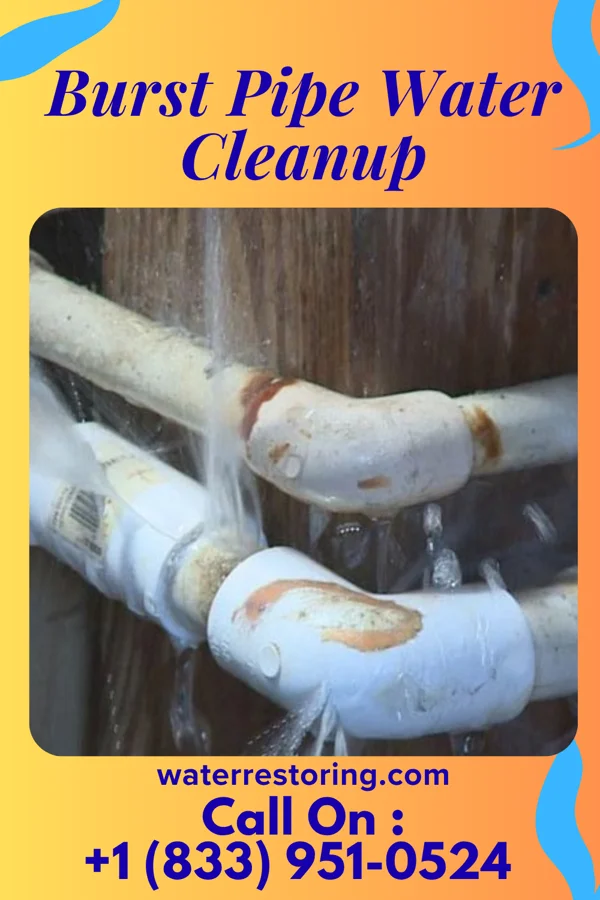
Why Burst Pipes Hit Timber Pines Hard
The pattern in Timber Pines is consistent. Timber Pines, Florida, is located in a rural area with older infrastructure, which increases the risk of pipe bursts due to aging plumbing systems. The proximity to natural water bodies like Weeki Wachee and the fluctuating groundwater levels can put additional stress on underground pipes, especially during heavy rainfall or high water table events. drives most of the emergency restoration calls we get. A close second is The area's reliance on well water and septic systems can lead to corrosion and mineral buildup in pipes, increasing the likelihood of bursts. Additionally, the region's frequent thunderstorms and heavy downpours can overwhelm drainage systems, causing localized flooding that may damage underground piping..
Timber Pines, Florida, experiences a subtropical climate with high humidity and frequent storms, which can lead to increased water pressure and corrosion in plumbing systems. The area's natural environment, including dense vegetation and wetlands, further contributes to pipe degradation and burst risks.
Timber Pines, Florida, experiences a subtropical climate with high humidity and frequent storms, which can lead to increased water pressure and corrosion in plumbing systems. The area's natural environment, including dense vegetation and wetlands, further contributes to pipe degradation and burst risks. The dominant local driver is Timber Pines, Florida, is located in a rural area with older infrastructure, which increases the risk of pipe bursts due to aging plumbing systems. The proximity to natural water bodies like Weeki Wachee and the fluctuating groundwater levels can put additional stress on underground pipes, especially during heavy rainfall or high water table events., with The area's reliance on well water and septic systems can lead to corrosion and mineral buildup in pipes, increasing the likelihood of bursts. Additionally, the region's frequent thunderstorms and heavy downpours can overwhelm drainage systems, causing localized flooding that may damage underground piping. showing up as the next most common cause. Damage builds in stages. Spread. Absorption. Microbial growth. Structural compromise. Every stage you pass through adds to the final bill.